

About Us ང་ཚོའི་སྐོར།
Founded in Perth, Australia, aath.net.au is a dedicated non-profit organisation committed to the scholarly and public understanding of Tibetan and Himalayan traditions. Our work encompasses research, education, and advocacy to ensure the vibrant continuation of this unique cultural heritage. ཨོ་སི་ཊོ་ལི་ཡ་ནུབ་མའི་རྒྱལ་ས་ཕིར་ཐི་གྲོང་ཁྱེར་དུ་གནས་གཞི་བྱས་ཡོད་པའི་ཨོ་སི་ཊོ་ལི་ཡའི་བོད་དང་ཧི་མ་ལ་ཡ་ཞིབ་འཇུག་མཐུན་ཚོགས(aath.net.au)ནི་བོད་དང་ཧི་མ་ལ་ཡའི་སྲོལ་རྒྱུན་རིག་གཞུང་ལ་ཤེས་ཡོན་ཅན་དང་མང་ཚོགས་ཁྲོད་གོ་རྟོགས་སྤེལ་བར་དམིགས་པའི་ཁེ་ལས་མ་ཡིན་པའི་ཚོགས་པ་ཞིག་ཡིན། ང་ཚོའི་ལས་ཀའི་ནང་ཞིབ་འཇུག་དང་། ཤེས་ཡོན། དྲིལ་བསྒྲགས་བཅས་ཚུད་ཡོད་ལ། ཐུན་མོང་མ་ཡིན་པའི་རིག་གཞུང་འདི་རྒྱུན་གནས་ཡོང་བ་དང་དར་སྤེལ་གཏོང་བར་དམིགས་ཡོད།
Tibetan language བོད་ཡིག
Language is the lifeblood of a nation, and Tibetan language, in its various dialects and in conjunction with other minoritised languages spoken particularly in northern and eastern Tibet, * is the lifeblood of the Tibetan nation. We strongly believe in not only preserving the Tibetan language but propagating it among second- and third-generation Tibetans and Tibetic people, as well as among non-Tibetans interested in this rich language and the culture and history to which it is tied. To effectively propagate the Tibetan language as a living language, we advocate for its use in every aspect of life, including as a medium of instruction for learning about Tibetan culture, history, and politics. Accordingly, we promote research on Tibetan language across dialects and are currently developing a one-year intensive Tibetan language program to prepare undergraduate students for studying a full BA in Tibetan and Himalayan Studies, where the medium of instruction will both be Tibetan and English. Click here for further details:
*While our focus is the propagation of Tibetan language, we strongly support research into and advocacy for Tibet's minority languages. See for example Dr Gerald Roche's research here: Tibet's Minority Languages, Language Oppression, The Politics of Language Oppression in Tibet


Culture རིག་གནས།
Tibet and the Himalayan region possess a vibrant and unique culture, from complex social structures and etiquette to highly developed philosophical and religious traditions. Our research and courses explore the full range of Tibetan and Himalayan culture, providing students with insight into the fascinating world of a civilisation that developed on the roof of the world.

History ལོ་རྒྱུས།
The history of Tibetan civilisation is ancient, with thousands of years of settlement and development across the Tibetan Plateau. Our research and courses explore the longue durée of this civilisation, beginning with the ancient civilisation of Shang Shung in what is now Western Tibet and Ladakh, through to the Emperor (Tsenpo) periods, the birth of Buddhism in Tibet, and beyond to the modern era.
Geopolitics ས་ཁམས་ཆབ་སྲིད།
Tibet has experienced tremendous political upheaval in the modern era, especially after 1959 when the Dalai Lama and his government fled into exile in India. Since this time, Tibetans both inside and outside of Tibet have been fighting for either true autonomy or complete independence from China. Our research and courses offer unique insight into the events, people, and policies surrounding Sino-Tibetan politics, particularly since 1959, but also in light of the longue durée prior to the founding of the People's Republic of China.
Meet our team
Namloyak Dhungser (MA)
ལྷ་སྡེ་གནམ་ལོ་ཡག
Co-Founder

Tibetologist and polyglot researcher and writer. Author of ten books in Tibetan, Chinese and English, with expertise in contemporary Tibetan and Chinese history, and the history of Tibetan civilisation.
Dr Joshua Esler
ཇོ་ཞི་བ།
Co-Founder

Researcher and Senior Lecturer (adjunct) in Asian Studies at Sheridan Institute of Higher Education, and Senior Research Fellow at the Indo-Pacific Research Centre, Murdoch University. Expertise in the diffusion of Tibetan Buddhism within Chinese communities, both in historic and contemporary contexts.
Advisory Board བློ་འདོན་ལྷན་རྒྱས།
Professor John Powers

Fellow of the Australian Academy of Humanities. Former professor at ANU and Deakin Universities. Writer and academic in the field of Asian Studies and Tibetan Buddhism, with expertise in Buddhist philosophy, meditation theory and practice.
Dr Sonam Thakchoe

Senior Researcher in Philosophy at the University of Tasmania. Research specialisation in Indo-Tibetan Buddhist philosophy, focusing on Buddhist metaphysics, epistemology, ethics, philosophy of mind, and phenomenology of mindfulness.
Professor David Germano
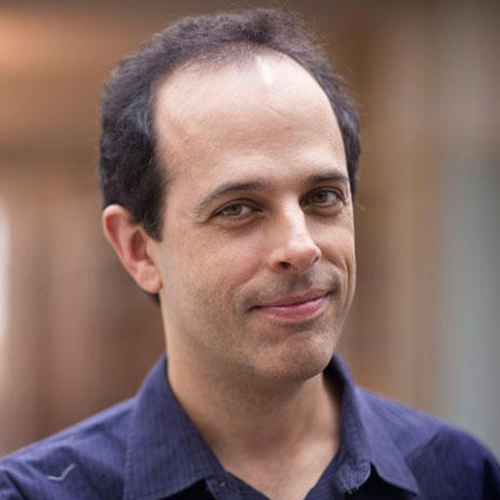
Professor of Religious Studies, director of the Tibet Center, director of the Contemplative Sciences Center, and director of SHANTI (Sciences, Humanities, and Arts Network of Technological Initiatives) at the University of Virginia. Founder and director of the Tibetan and Himalayan Library (THL).
Research interests in Nyingma and Bön lineages of Tibetan Buddhism, tantric traditions, Buddhist philosophy, and Tibetan historical literature and concerns, particularly from the eighth to fifteenth centuries.
Dr Gerald Roche

Lecturer in Linguistics in the Department of Languages and Cultures at La Trobe University. His work focuses on issues of language and power, using approaches from linguistic and political anthropology. Research interests and publications focused on languages other than Tibetan spoken by Tibetans within the Tibetan cultural sphere.